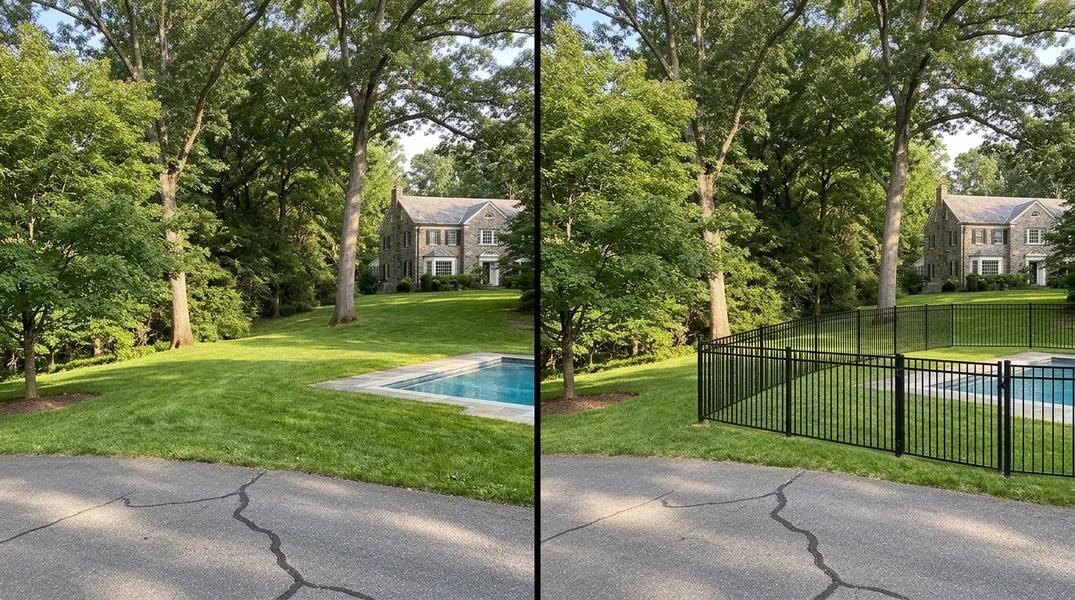
Understanding DC Pool Fence Code Requirements
If you're a homeowner in Washington with a swimming pool, understanding local pool fence code requirements is not optional, it's essential. The District of Columbia has specific regulations designed to prevent accidental drowning and ensure child safety around residential pools. These codes are enforced by the DC Department of Energy and Environment, and failing to comply can result in fines, liability issues, and most importantly, put your family and guests at risk.
Pool fencing is considered a critical safety barrier, and DC treats it seriously. Before you install any pool fence, you need to know that these aren't just suggestions, they're legal requirements that apply to every residential pool in the district. Whether you're building a new pool or installing a fence around an existing one, compliance is mandatory. The good news is that understanding these requirements upfront makes the installation process smoother and ensures you're protected legally.
Pool Fence Height Requirements in Washington
One of the most fundamental pool fence code requirements in Washington is the minimum height standard. DC requires that pool fencing be at least 4 feet tall, measured from the ground level outside the pool area. This height requirement exists because it's difficult for young children to climb over or fall through a barrier that's this tall. The 4-foot minimum is consistent with national safety standards and has been proven effective in preventing unsupervised access to pools.
It's important to note that the height is measured from the ground on the outside of the pool enclosure, not from the pool deck itself. This means if your pool deck is elevated or sloped, you need to account for that in your measurement. Additionally, any openings in the fence, such as gaps at the bottom or between vertical slats, must not exceed 4 inches in width. This prevents small children from squeezing through. When you work with a professional fence installer for Wood & Privacy Fence Installation, they'll ensure every measurement meets or exceeds these standards.
Self-Closing Pool Gate Requirements and Installation Standards
Perhaps one of the most critical components of pool fence compliance in DC is the self-closing pool gate. This isn't a luxury feature, it's a legal requirement. Any gate providing access to your pool area must be self-closing and self-latching. This means the gate should automatically close and latch itself after someone passes through, without requiring manual action. The self-closing mechanism must work reliably every single time, regardless of weather conditions or how forcefully someone pushes through.
The self-closing pool gate must also be equipped with a latch mechanism that's positioned at least 54 inches above the ground level. This height ensures that small children cannot easily reach and operate the latch. Additionally, the gate must open away from the pool area, and the hinge and latch hardware must be on the pool side of the gate. These specifications might seem technical, but they're designed with real safety scenarios in mind. When you're ready to install your pool fence, make sure your contractor understands these gate requirements in detail. Washington Fence has experience installing compliant pool fencing systems that meet all DC regulations, so contact us for a free estimate to discuss your specific project needs.
Additional Barrier Requirements and Four-Sided Enclosure Rules
DC pool fence code requirements go beyond just the fence and gate themselves. The pool area must be completely enclosed on all four sides, creating a secure barrier that prevents unsupervised access. This means you can't rely on your property line fence alone if it doesn't completely surround the pool. If your pool is adjacent to your house, the house wall can serve as one side of the enclosure, but the other three sides must have dedicated fencing or barriers.
The fence must be constructed in such a way that it's difficult to climb. This means avoiding horizontal rails or cross-bracing that could serve as footholds. Vertical slats are preferred over horizontal designs for this reason. Additionally, any gaps between the fence and the ground must be minimal, typically no more than 4 inches. Vegetation, landscaping, or other objects that could be used as climbing aids should be kept away from the fence. If you're considering Wood & Privacy Fence Installation for your pool area, discuss these climbing-prevention strategies with your contractor to ensure maximum safety and compliance.
Pool Fence Installation Cost in Washington: What to Budget
The cost of installing a compliant pool fence in Washington varies based on several factors, including the size of your pool area, the materials you choose, site conditions, and local labor costs. When budgeting for pool fencing, you should expect to invest more than you would for a standard residential fence because pool fencing has stricter construction standards and requires specialized hardware like self-closing gates. Most homeowners in the DC area can expect to spend anywhere from several thousand dollars for a basic installation to significantly more for premium materials and larger enclosures.
The material choice dramatically affects your pricing. Wood & Privacy Fence Installation offers a classic look and is often more affordable than alternatives, though it requires regular maintenance. Vinyl fencing is more expensive upfront but requires minimal maintenance and lasts longer. The specific requirements of your property, such as uneven terrain or difficult access, can also increase costs. Rather than guessing at the expense, reach out to Washington Fence at (771) 246-2846 to get an accurate assessment based on your actual pool dimensions and property conditions.
Working with a Insured Contractor: Questions to Ask Before Installation
Installing a pool fence that meets DC code requirements is not a DIY project. You need to work with a licensed, experienced fence contractor who understands local regulations thoroughly. Before hiring anyone, ask specific questions about their experience with pool fence installations in Washington. Do they understand the 4-foot height requirement? Can they explain the self-closing gate specifications? Have they installed pool fences that passed DC inspections? A contractor who hesitates or seems unsure about these details is not the right choice for your project.
You should also ask about the installation timeline, warranty coverage, and whether they handle permit applications. Many homeowners don't realize that pool fencing often requires permits and inspections in DC. A reputable contractor will guide you through this process and ensure your fence passes final inspection. Washington Fence understands these requirements and can walk you through every step of the installation process. If you're ready to move forward with a compliant pool fence installation, contact us for a free estimate or call (771) 246-2846 to discuss your project with our team.
Looking for a professional fence contractor in Washington? Washington Fence responds fast for all your fence needs.
Get a Free Quote