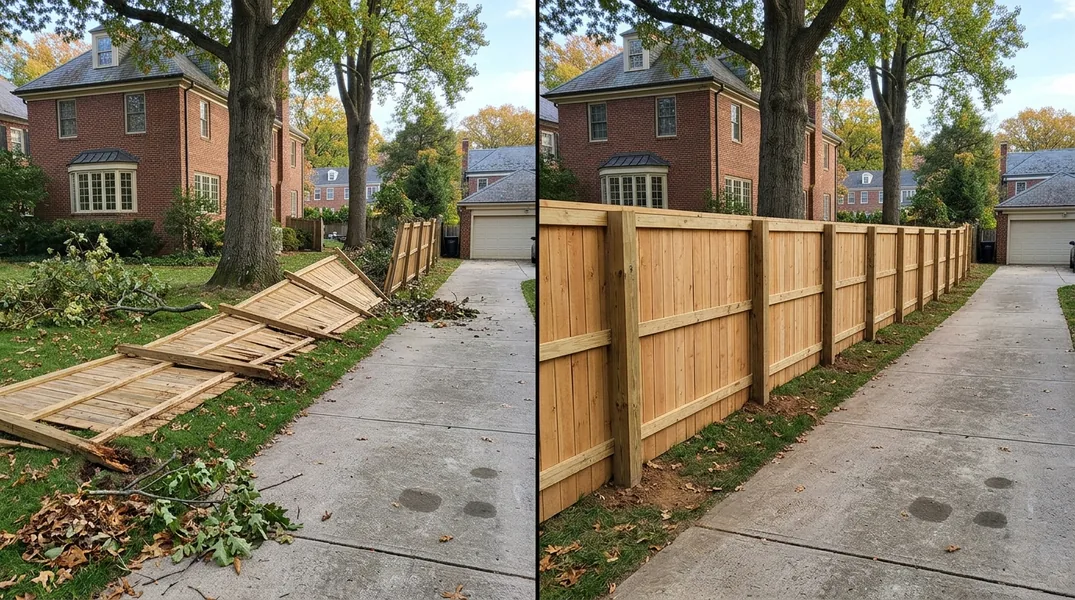
What to Do Immediately After Storm Damage to Your Fence
When a severe storm rolls through Washington, your fence may take a direct hit. Whether it's high winds, falling branches, or heavy rain, the damage can be sudden and significant. The moments right after a storm are critical for protecting your property and setting yourself up for a successful insurance claim.
First, prioritize safety. If your fence has collapsed or is leaning dangerously, keep family members and pets away from the area. Downed fence sections can shift unexpectedly, and exposed nails or splintered wood pose injury risks. Take clear photographs and video of the damage from multiple angles, including wide shots that show the full scope of the problem and close-ups of specific damage points. Document the date and time of the storm, and note any weather reports or official storm records if available. This photographic evidence will be essential when you file your insurance claim.
Next, contact your homeowners insurance company as soon as possible. Most insurers have specific windows for filing storm damage claims, often within 30 to 90 days of the incident. When you call, have your policy number ready and be prepared to describe the damage in detail. The insurer will likely schedule an adjuster to inspect the fence and assess the claim value. Until that inspection happens, avoid making any repairs that go beyond temporary safety measures like removing debris or securing loose sections.
Does Homeowners Insurance Cover Fence Damage from Storms?
The short answer is: it depends on your specific policy and the cause of the damage. Most standard homeowners insurance policies do provide coverage for sudden and accidental damage caused by covered perils like high winds, hail, falling trees, or lightning. However, fence coverage is often limited compared to coverage for your home itself, and there are important exclusions you need to understand.
Many homeowners policies include a separate deductible specifically for wind or hail damage, which can be 1 to 5 percent of your home's insured value. This means if your home is insured for $400,000 and you have a 2 percent wind deductible, you would pay $8,000 out of pocket before insurance covers any wind damage claims. For a fence repair that costs $3,000 to $5,000, this deductible might exceed the repair cost, making the claim uneconomical to file. Additionally, some policies have a cap on fence replacement coverage, such as $500 to $2,500 per claim, which may not be enough to fully cover the cost of rebuilding a large section of fencing.
Damage from poor maintenance, lack of upkeep, or gradual wear and tear is typically not covered. If your fence was already weakened by rot, termites, or age, the insurer may deny or reduce your claim. Similarly, damage caused by neglect, such as allowing vegetation to weigh down fence sections or failing to remove dead branches, usually falls outside coverage. To maximize your chances of approval, maintain your fence regularly and document your maintenance efforts.
The best way to know exactly what your policy covers is to review your homeowners insurance documents or call your agent directly. Ask specifically about wind damage coverage, deductibles, and any caps on fence replacement. This conversation can save you from unpleasant surprises when you file a claim.
Storm Damage Fence Repair Timeline in Washington: What to Expect
The timeline for repairing storm damage to your fence depends on several factors: the severity of the damage, the availability of contractors, your insurance claim process, and weather conditions. Understanding this timeline helps you plan for temporary fencing solutions and manage expectations with your family and neighbors.
In the immediate aftermath of a storm, emergency repairs and debris removal typically happen within the first few days. If your fence is a safety hazard, you may need to hire a contractor right away to make the area secure. This temporary work can be done while you wait for your insurance claim to be processed. The insurance claim process itself usually takes 2 to 4 weeks, though it can be longer if the storm affected many properties in Washington and adjusters are backlogged.
Once your claim is approved and you have authorization to proceed with repairs, the actual reconstruction timeline depends on the type and extent of damage. A small section of Wood & Privacy Fence Installation repair might take 1 to 2 weeks, while a complete fence replacement could take 3 to 6 weeks depending on the contractor's schedule and the weather. Spring and early summer are peak seasons for fence work in Washington, so contractors may have longer wait times. If your fence was damaged during a major storm event, many contractors in the area will be busy with similar jobs, which can extend timelines significantly.
To expedite the process, get your free estimate from a reputable local contractor as soon as possible. Having a detailed repair plan and quote ready will speed up your insurance claim approval and allow you to move forward quickly once the claim is settled. Washington Fence can provide a professional assessment and timeline estimate at (771) 246-2846.
Filing Your Insurance Claim for Storm Damage Fence Repair
Filing an insurance claim for fence damage requires organization, documentation, and clear communication with your insurer. Start by gathering all the evidence you collected immediately after the storm: photographs, videos, weather reports, and any written descriptions of the damage. Create a simple list describing what was damaged, when it happened, and how it affects your property's safety or function.
When you contact your insurance company, provide a clear, factual account of the storm and the resulting damage. Mention specific details like wind speeds (if reported), the direction from which the damage occurred, and any other contributing factors. Be honest about the condition of the fence before the storm; if it was old but in serviceable condition, say so. If the insurer asks for a contractor's estimate, provide a detailed quote from a licensed professional that breaks down labor, materials, and specific work to be performed.
The adjuster's inspection is a critical moment. Be present during the inspection and point out all damage, including less obvious issues like fence posts that are now unstable or sections that may fail in the next strong wind. Provide copies of your photos and the contractor's estimate. If you disagree with the adjuster's assessment or the claim settlement offer, you have the right to request a second opinion or file an appeal. Some homeowners hire independent adjusters to review the claim on their behalf, which can be worthwhile for larger claims.
Keep all documentation in one place: the original claim number, adjuster's contact information, inspection reports, repair estimates, and all correspondence with the insurance company. This organized approach makes it easier to follow up on your claim and provides a clear record if disputes arise.
Choosing the Right Contractor for Storm Damage Fence Repair Near Me
Once your insurance claim is approved, you need to select a contractor to repair or replace your fence. This is where experience and local knowledge matter. A contractor familiar with storm damage repair in Washington understands the unique weather patterns, soil conditions, and building codes that affect fence durability and longevity in the region.
Look for contractors who are fully insured. Ask for references from previous storm damage repair jobs and follow up by calling those homeowners. A reputable contractor should be willing to work directly with your insurance company, handling paperwork and ensuring the repair meets the claim settlement terms. They should also be able to explain why certain repair methods are recommended and what materials will be used.
Before signing a contract, verify that the scope of work matches your insurance claim approval. If the claim covers replacement but the contractor is proposing repair, clarify this discrepancy. Get a detailed written estimate that itemizes materials, labor, timeline, and any warranties or guarantees. Be wary of contractors who demand full payment upfront or who pressure you to sign before you've reviewed all terms.
Washington Fence specializes in storm damage repair and has the expertise to guide you through the process. Whether your fence needs repair or full replacement, the team can provide a professional assessment and work with your insurance company to ensure the job is done right. Call (771) 246-2846 to discuss your storm damage fence repair needs and get started on recovery today.
Preventing Future Storm Damage to Your Fence in Washington
While you cannot control the weather, you can take steps to make your fence more resilient to storm damage. Regular maintenance is the foundation of a durable fence. Inspect your fence at least twice a year, looking for signs of rot, loose boards, leaning posts, or weakened sections. Address small problems immediately before they become major issues that compromise the entire structure.
Keep vegetation trimmed and away from your fence. Overhanging branches, climbing vines, and dense shrubs add weight and wind resistance, increasing the likelihood of damage during storms. Remove dead branches and ensure trees near your fence are healthy and well-maintained. Standing water around fence posts promotes rot, so ensure proper drainage and consider installing a gravel base or drainage system if your yard tends to be wet.
The type of fence you choose also affects storm resilience. Vinyl & PVC Fence Installation tends to be more flexible and wind-resistant than wood, while Chain Link Fence Installation allows wind to pass through rather than catching it. Aluminum & Ornamental Iron Fencing offers durability and low maintenance. When planning repairs or replacement, discuss storm-resistant options with your contractor based on your budget and aesthetic preferences.
Finally, ensure your homeowners insurance is current and adequate. Review your policy annually, especially after major storms in your area. A small investment in preventive maintenance and the right insurance coverage can save you thousands in unexpected repair costs and provide peace of mind knowing your property is protected.
Looking for a professional fence contractor in Washington? Washington Fence responds fast for all your fence needs.
Get a Free Quote